Sea Freight and Air Freight Explained to Help You Decide What’s Best
In the world of export-import, choosing the right shipping method is critical to balancing cost, speed, and reliability. Two of the most common options for transporting goods internationally are sea freight and air freight. Each has distinct advantages and trade-offs, and understanding these differences can help your business make smarter logistics decisions.
What Is Sea Freight?
Sea freight involves shipping goods via cargo ships across oceans and seas. It is the traditional method used for large volumes of goods and heavy shipments. Containers of various sizes are loaded onto vessels that transport products between major ports around the world.
Advantages of Sea Freight:
- Cost-effective for large shipments: Sea freight is generally much cheaper per kilogram or cubic meter, especially for bulky or heavy goods.
- Ideal for non-urgent shipments: Longer transit times mean it suits goods that are not time-sensitive.
- High capacity: Ships can carry massive volumes, reducing per-unit shipping cost.
Disadvantages of Sea Freight:
- Slower transit times: Shipping can take weeks depending on the route and destination.
- More complex logistics: Ports, customs clearance, and inland transport add to lead times and complexity.
What Is Air Freight?
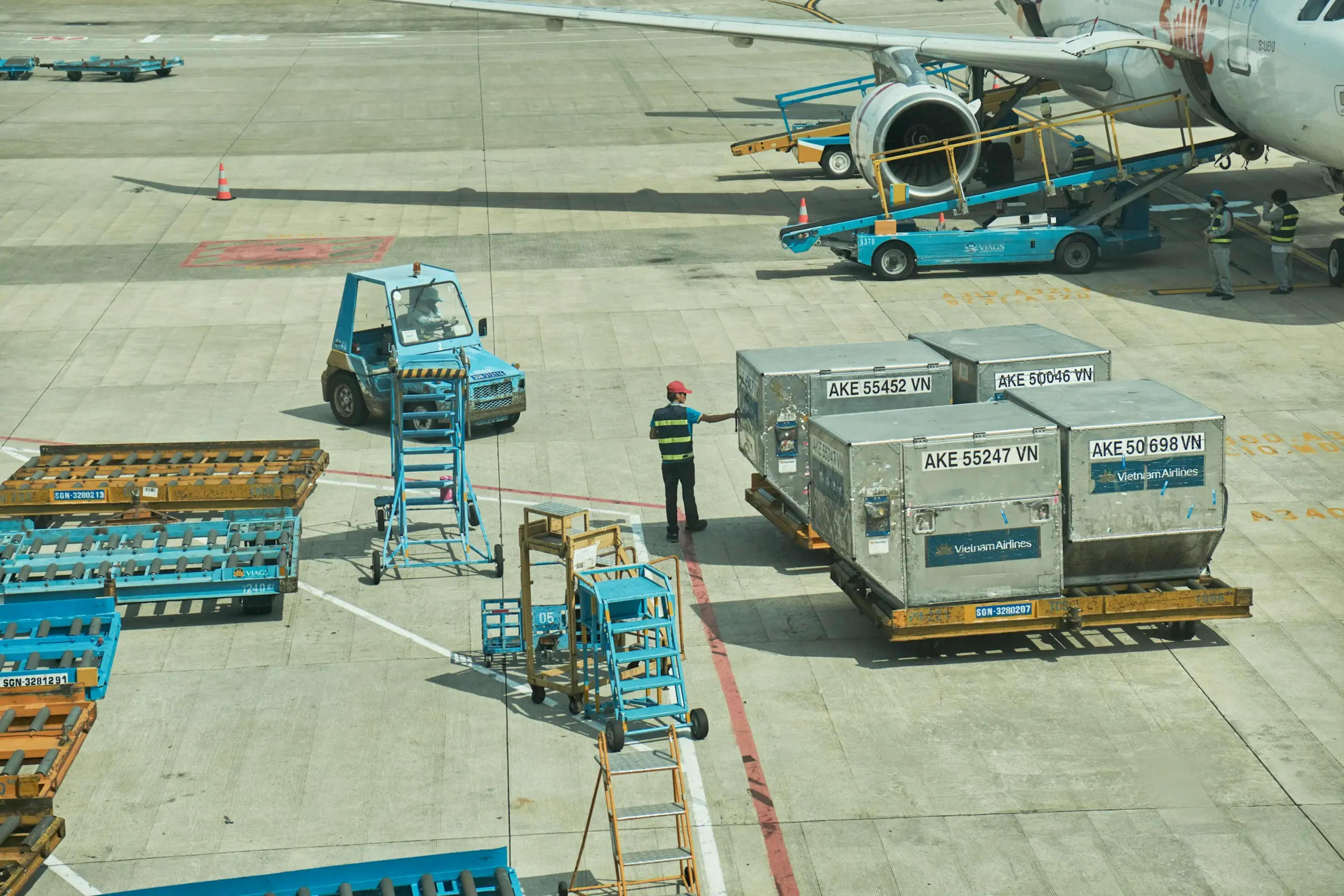
Air freight uses cargo planes to transport goods quickly across countries and continents. It is favored when speed is essential, such as for perishable products, electronics, or urgent orders.
Advantages of Air Freight:
- Fast delivery: Transit times are measured in days, or even hours for express services.
- Reliable schedules: Air cargo generally follows strict schedules, reducing delays.
- Better for high-value goods: The speed and security of air freight protect valuable or fragile items.
Disadvantages of Air Freight:
- Higher cost: Air freight rates are significantly more expensive than sea freight.
- Limited capacity: Aircraft have weight and size limits, making air freight unsuitable for bulky goods.
- Environmental impact: Air freight has a larger carbon footprint compared to sea freight.
Which Is Better for Your Business?
Consider Your Product Type and Urgency:
- For heavy, bulky items or non-urgent shipments, sea freight is often the most cost-effective choice.
- For perishable goods, high-value electronics, or urgent orders, air freight offers the speed and reliability you need.
Consider Your Budget and Customer Expectations:
- Sea freight keeps shipping costs low, improving margins on large shipments.
- Air freight allows you to meet tight delivery deadlines and customer demands for fast shipping, albeit at a higher cost.
Consider Your Environmental Goals:
- Sea freight is generally more environmentally friendly per ton-kilometer transported.
- Businesses focused on sustainability may prefer sea freight or look for carbon offset programs when using air freight.
Conclusion
Both sea freight and air freight play vital roles in global trade. Choosing the right method depends on balancing cost, speed, product type, and customer expectations. Many businesses adopt a hybrid approach—using sea freight for standard shipments and air freight for urgent or specialized cargo.
By understanding the strengths and limitations of each, your business can optimize its shipping strategy to support growth and customer satisfaction in 2025 and beyond.