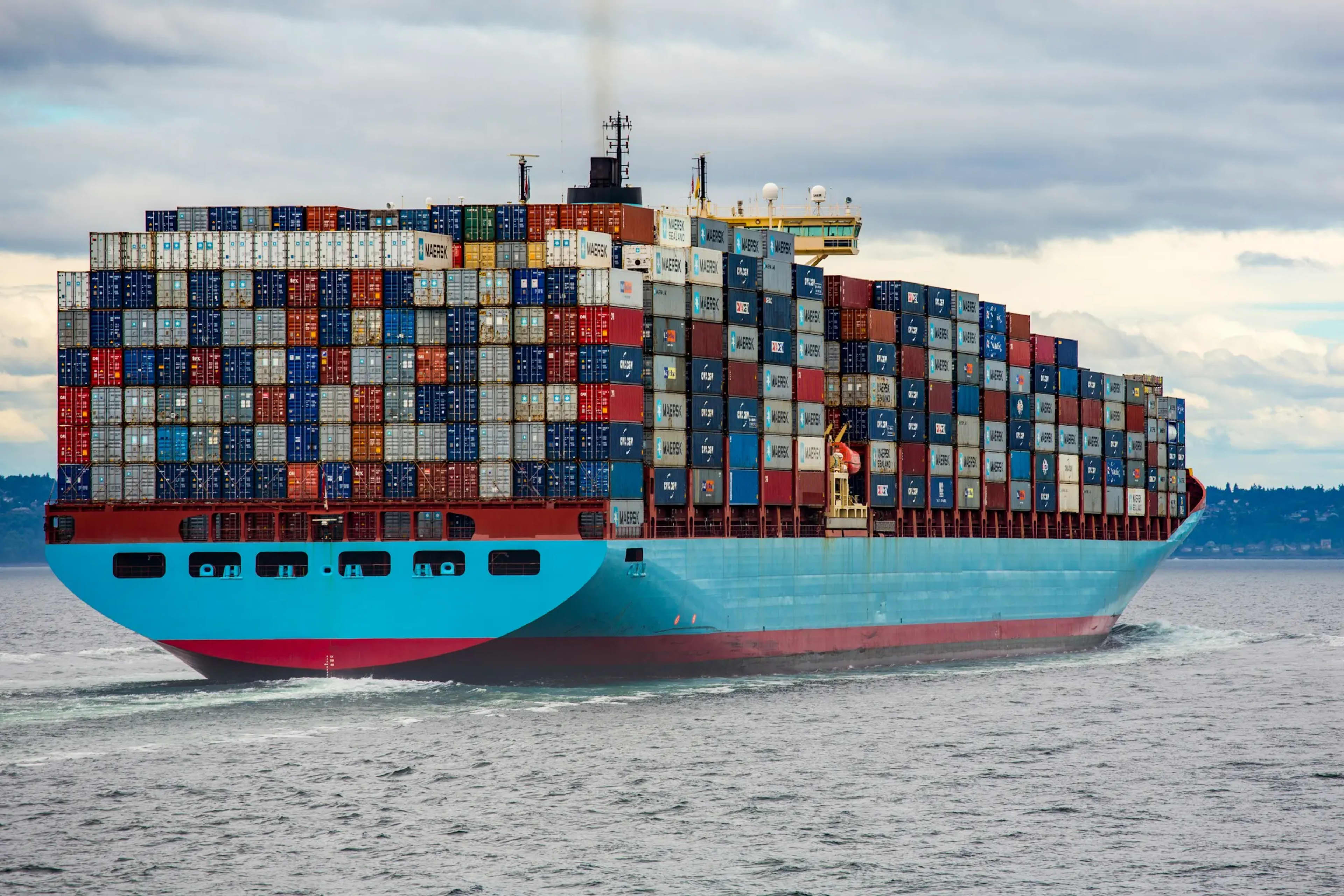
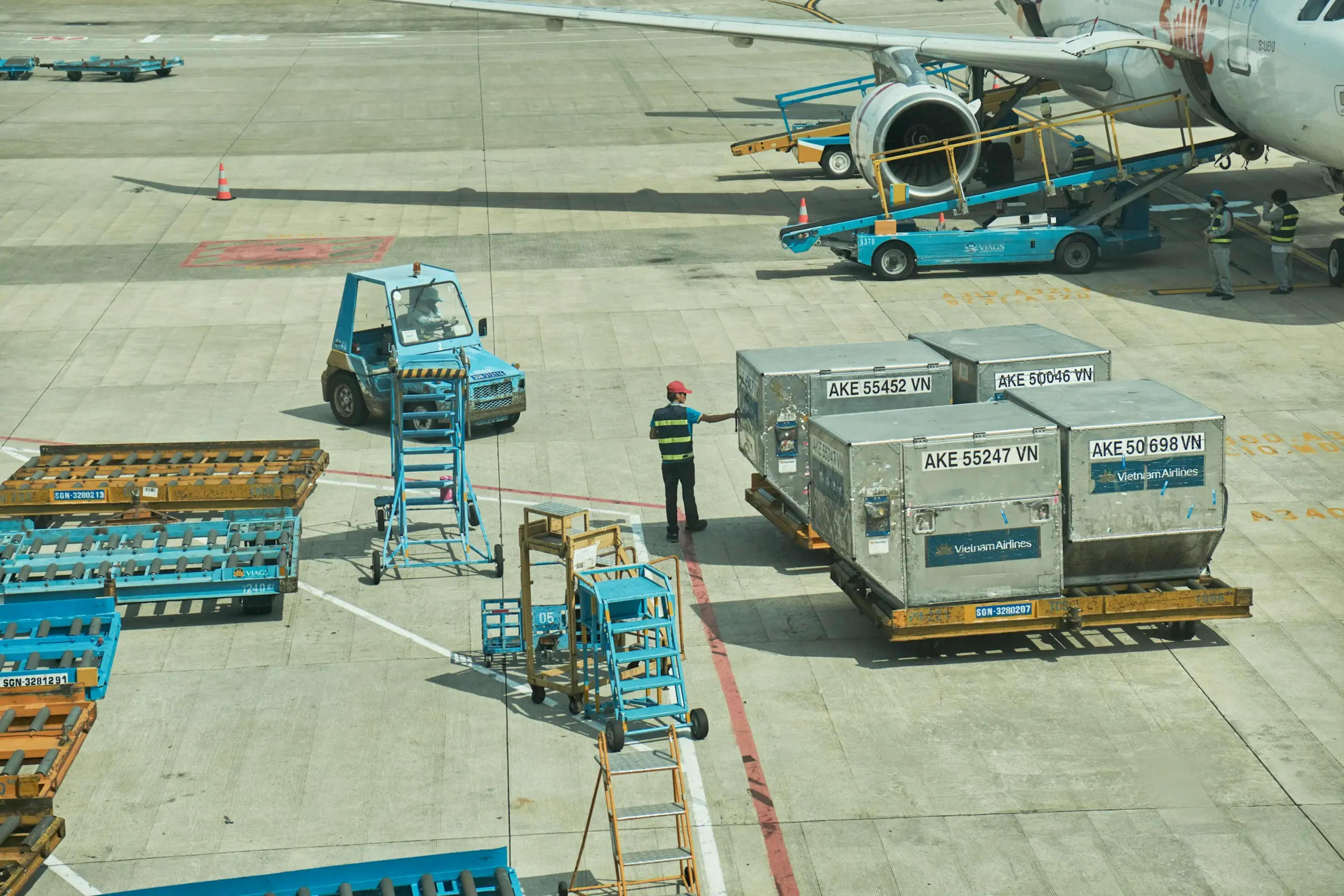
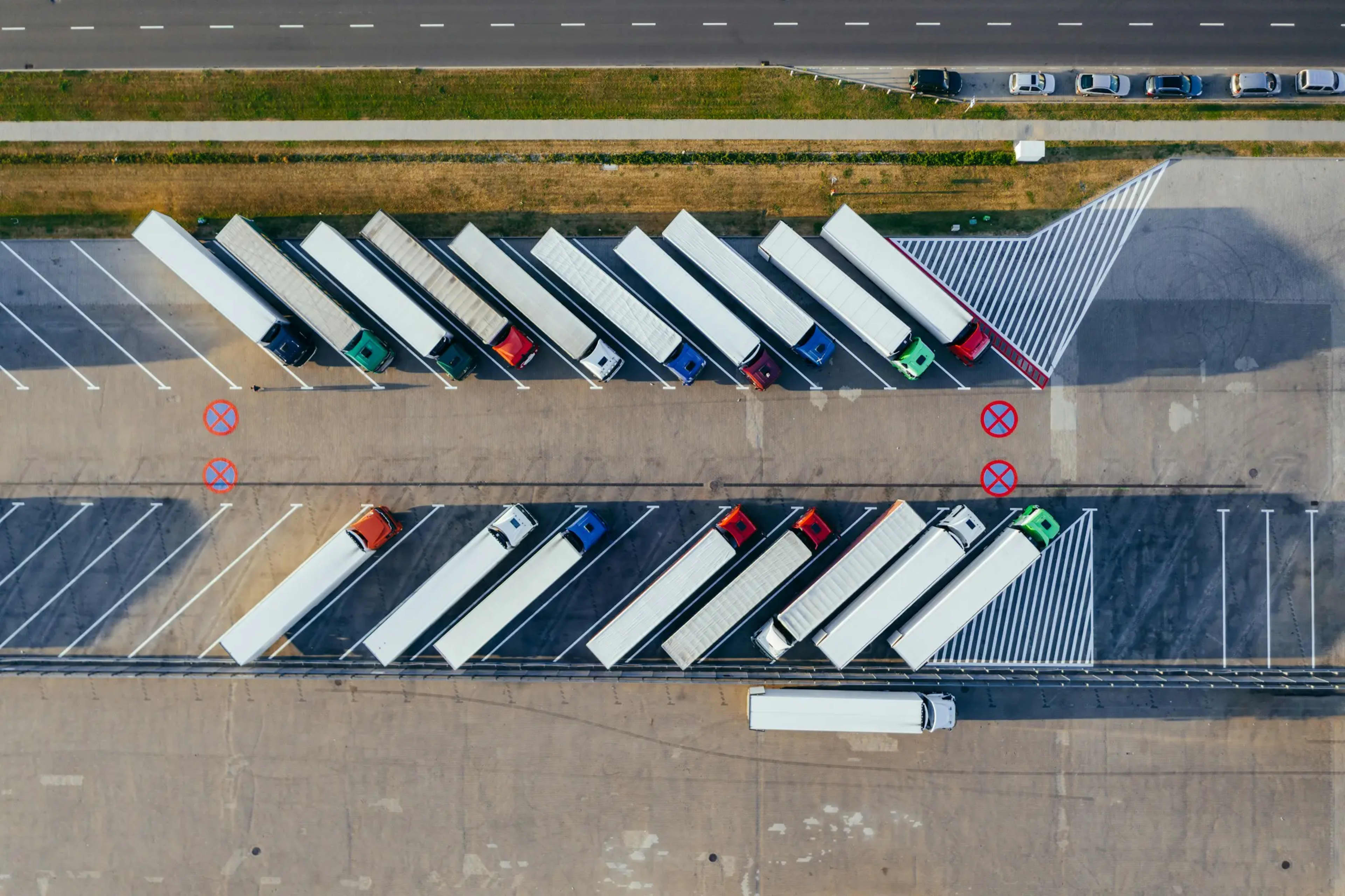
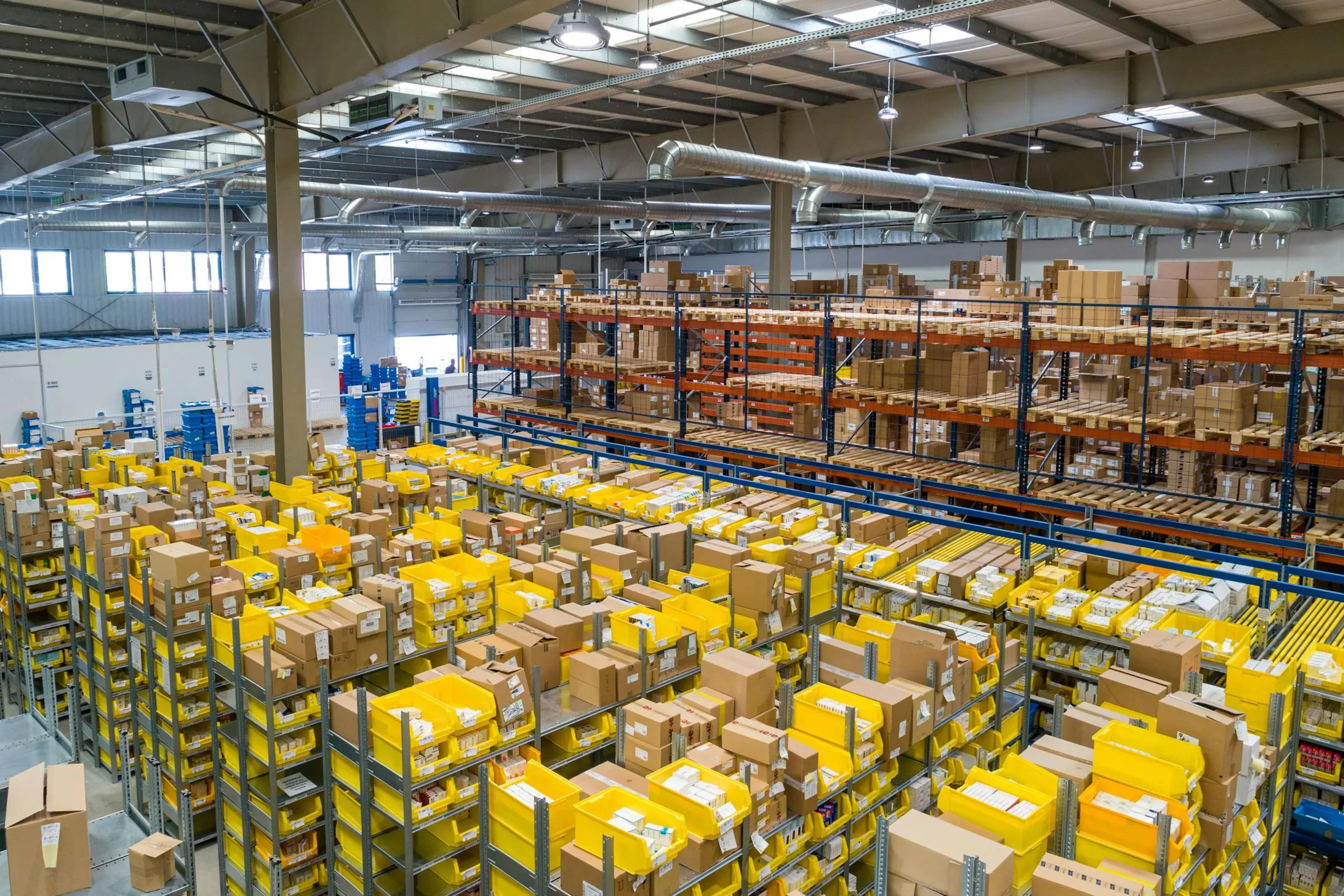
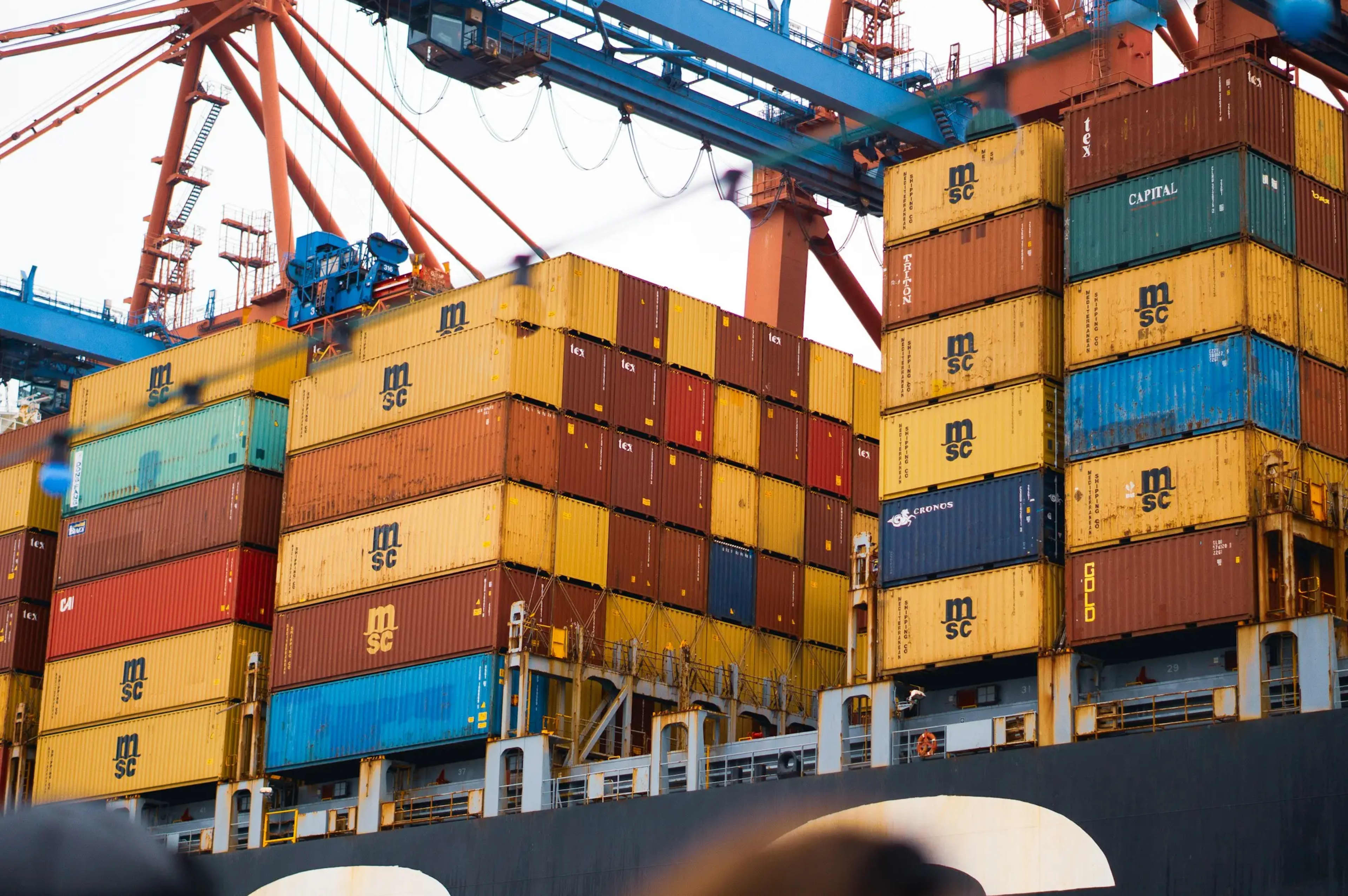
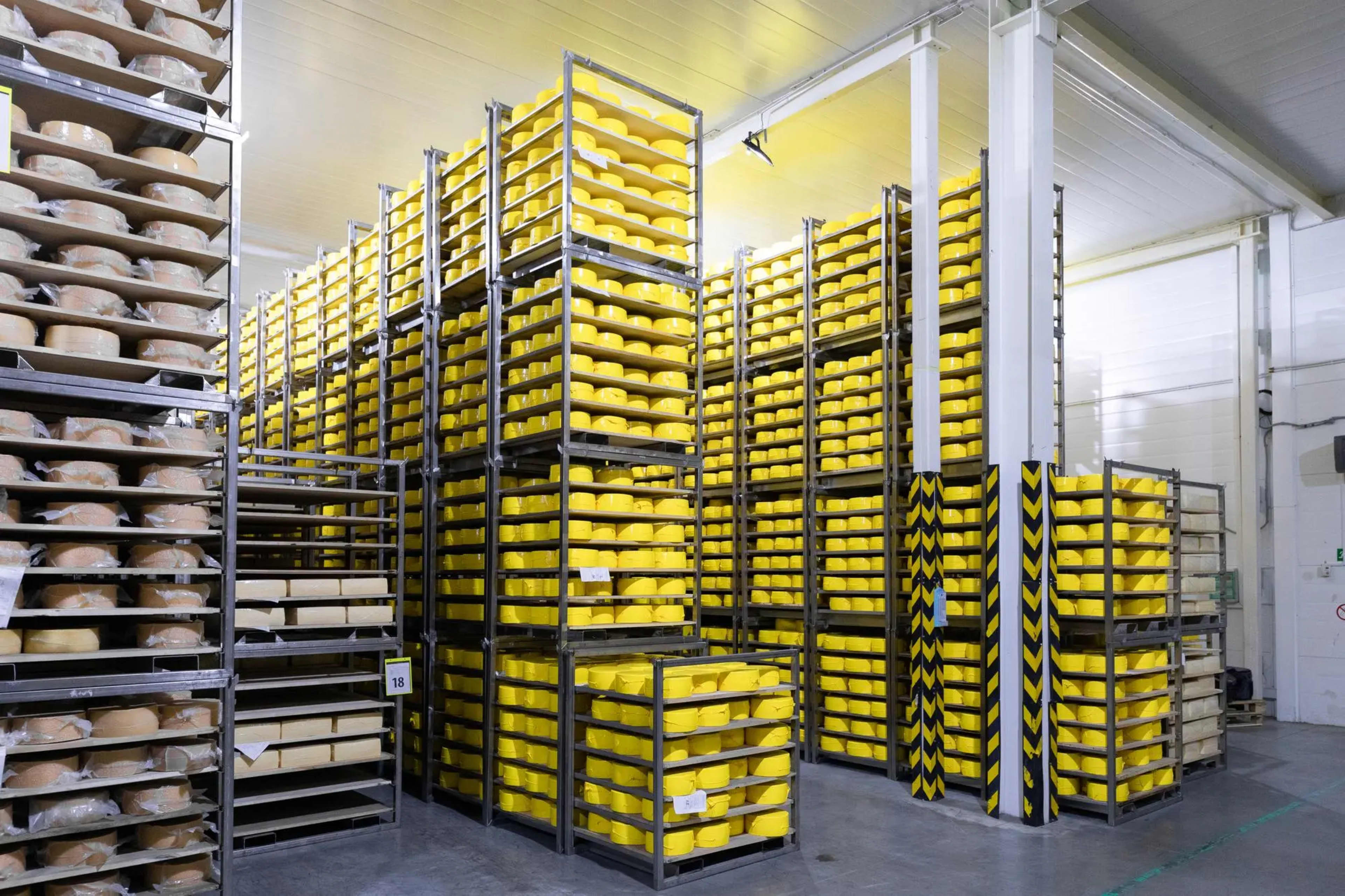
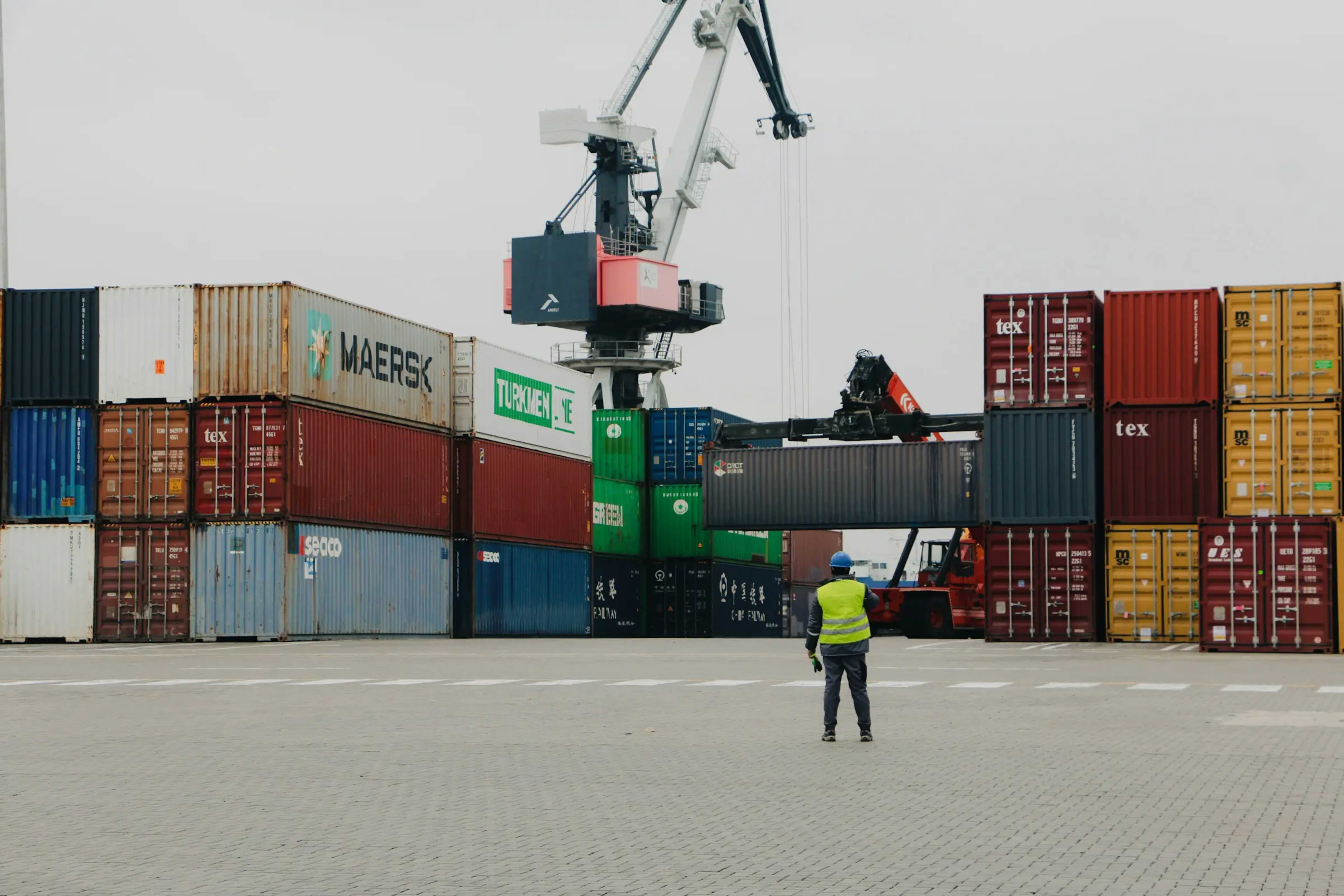
In today’s competitive market, true growth isn't about doing one thing well—it's about building a robust supply chain that can pivot between local demand and global opportunity. At CV. Wong Karya Bersaudara we’ve consolidated the services you need to succeed into a single, reliable partnership: <b>Domestic Expedition, Export/Import, and Specialized Trade.</b> Here is how our integrated approach helps you transition from an aspiring local business to a powerful global competitor. 1. Master Your Local Market with Domestic Expedition Before you conquer the world, you must own your local territory. Our <b>domestic expedition</b> services are designed for speed, efficiency, and scale, ensuring your products move quickly from the factory floor or port of entry to every corner of the country. 2. Go Global with Confidence: Expert Export & Import Services The global market offers immense opportunity, but the complexities of international shipping—customs, compliance, documentation, and freight—can be overwhelming. We turn these hurdles into highways. We provide end-to-end <b>export and import</b> management that demystifies global trade: 3. The Specialized Advantage: Excellence in the Fish Trade Logistics for perishable goods like seafood demands a different level of precision. Our deep expertise in the <b>fish trade</b> logistics ensures your high-value cargo arrives in pristine condition, ready for market. Why Choose an Integrated Partner? Instead of juggling three different providers for domestic, international, and specialized cargo, partnering with us means you benefit from <b>single-source accountability</b>. This integrated model leads to: <b>Ready to stop managing logistics and start focusing on growth?</b> By leveraging our comprehensive solutions, your company gains the local efficiency and global power needed to succeed in an ever-changing marketplace.
Published At October 29, 2025
In the world of export-import, choosing the right shipping method is critical to balancing cost, speed, and reliability. Two of the most common options for transporting goods internationally are sea freight and air freight. Each has distinct advantages and trade-offs, and understanding these differences can help your business make smarter logistics decisions. What Is Sea Freight? Sea freight involves shipping goods via cargo ships across oceans and seas. It is the traditional method used for large volumes of goods and heavy shipments. Containers of various sizes are loaded onto vessels that transport products between major ports around the world. Advantages of Sea Freight: Disadvantages of Sea Freight: What Is Air Freight? Air freight uses cargo planes to transport goods quickly across countries and continents. It is favored when speed is essential, such as for perishable products, electronics, or urgent orders. Advantages of Air Freight: Disadvantages of Air Freight: Which Is Better for Your Business? Consider Your Product Type and Urgency: Consider Your Budget and Customer Expectations: Consider Your Environmental Goals: Conclusion Both sea freight and air freight play vital roles in global trade. Choosing the right method depends on balancing cost, speed, product type, and customer expectations. Many businesses adopt a hybrid approach—using sea freight for standard shipments and air freight for urgent or specialized cargo. By understanding the strengths and limitations of each, your business can optimize its shipping strategy to support growth and customer satisfaction in 2025 and beyond.
Published At November 4, 2024
When conducting business internationally, one of the biggest challenges both exporters and importers face is payment security. How can a seller be sure they will get paid after shipping goods? How can a buyer be confident that payment is only made after the seller fulfills their part of the deal? This is where the Letter of Credit (LC) becomes a vital tool in export-import transactions. What Is a Letter of Credit? A Letter of Credit is a written commitment from a bank (usually the buyer’s bank) guaranteeing payment to the exporter, provided the exporter meets specific terms and conditions stated in the LC. Essentially, it shifts the payment risk from the buyer to the bank. This financial instrument reassures exporters that they will receive payment if they present the required documents proving that goods have been shipped according to the contract. On the other hand, importers gain assurance that payment will only be made once the exporter meets all obligations. Types of Letters of Credit Commonly Used in Trade There are several types of LCs, but the most common include: How Does a Letter of Credit Work? The LC process involves multiple parties and clear steps: Why Is a Letter of Credit Important in Export-Import? Tips for Using Letters of Credit Effectively Conclusion A Letter of Credit is more than just a bank document—it’s a critical tool that provides security, trust, and efficiency in international trade. Both exporters and importers benefit by reducing risks and ensuring that goods and payments flow smoothly. For businesses involved in export-import, mastering the use of Letters of Credit is essential for successful and sustainable global trading relationships.
Starting an export-import business in Indonesia requires more than just understanding products and markets. One of the most important steps is obtaining the right export-import licenses, which allow businesses to legally ship goods in and out of the country. These licenses ensure compliance with Indonesian regulations and help businesses avoid delays, fines, or shipment rejections. Below is a complete guide to understanding the requirements and steps involved. 1. Register Your Business Legally Before applying for any trade license, your business must be officially registered. You need: In Indonesia, the Online Single Submission (OSS) system is used to issue the NIB and manage permits. 2. Obtain an NIB Through the OSS RBA System The NIB functions as: To get your NIB: Once issued, your NIB automatically acts as your API-U (Importer Identification Number for General Importers) unless you select API-P (Producer Importer). 3. Understand API (Importer Identification Number) In Indonesia, there are two types of API: The API is now integrated inside the NIB to simplify the process. 4. Register With Indonesian Customs (Bea Cukai) Before importing or exporting, your company must activate its customs access. This is done by: Once approved, your company is fully registered as an exporter/importer. 5. Obtain Additional Licenses If Needed Some products require extra permits depending on the industry, such as: Make sure to check product-specific regulations before shipping. 6. Prepare the Required Trade Documents Once your license is active, you need the correct documents for export/import operations such as: Having accurate documents ensures smooth customs clearance. 7. Start Working With Customs Brokers and Freight Forwarders Many exporters and importers in Indonesia partner with: These partners help you manage shipment documents, clearance processes, and international logistics efficiently. Conclusion Getting an export-import license in Indonesia is much simpler today thanks to the OSS system and integrated NIB. Once you understand the required steps — from obtaining a NIB to registering with customs — your business is ready to trade globally. Taking the time to set up the correct licenses and documents ensures smoother operations and protects your business from legal and financial issues.
Published At December 4, 2025
The fish-trading industry in 2025 stands at a crossroads: rising global demand meets increasing regulatory pressure, supply-chain disruption, and a push for greater sustainability. For companies engaged in trading seafood—whether for domestic markets or export—understanding this evolving landscape is critical. 1. Global consumption & trade dynamics Global consumption of aquatic animal products is projected to rise, though at a slower pace than in prior years. <a href="https://www.oecd.org/en/publications/2025/07/oecd-fao-agricultural-outlook-2025-2034_3eb15914/full-report/fish-and-other-aquatic-products_ed13346f.html?utm_source=chatgpt.com" target="_blank">OECD</a> For example, growth in export volumes for fish and other aquatic foods is expected to reach about 7.1% by 2034 from current levels. <a href="https://www.oecd.org/en/publications/2025/07/oecd-fao-agricultural-outlook-2025-2034_3eb15914/full-report/fish-and-other-aquatic-products_ed13346f.html?utm_source=chatgpt.com" target="_blank">OECD</a> Regionally, Asia will account for roughly three-quarters of the increase in consumption. <a href="https://www.oecd.org/en/publications/2025/07/oecd-fao-agricultural-outlook-2025-2034_3eb15914/full-report/fish-and-other-aquatic-products_ed13346f.html?utm_source=chatgpt.com" target="_blank">OECD</a> For exporters, this means growing opportunities in Asia and emerging markets—but also stronger competition and greater need for differentiation. 2. Export-import headwinds & opportunities Many trading companies are facing rising costs (fuel, logistics), shipping delays and trade-policy uncertainty. For example, in 2025 the U.S. imposed higher tariffs on seafood imports, which has ripple effects across global supply chains. <a href="https://www.actcapitaladvisors.com/wp-content/uploads/H1-2025-Seafood-Report.pdf?utm_source=chatgpt.com" target="_blank">ACT Capital Advisors</a> On the other hand, for exporters who can meet new market standards and pivot to value-added products (rather than raw bulk), there are considerable opportunities. For instance, in Vietnam the seafood export industry is projected to hit ~US$11 billion in 2025, driven by shrimp, pangasius and tuna. <a href="https://seafood.vasep.com.vn/total-seafood-trade/news/vietnams-seafood-exports-are-confident-of-reaching-2025-billion-usd-by-11-how-will-us-tax-policy-affect-it-32547.html?utm_source=chatgpt.com" target="_blank">seafood.vasep.com.vn+1</a> For an Indonesian company, this means benchmarking against neighbouring exporters and focusing on niches or high-quality segments. 3. Export-import headwinds & opportunities Technology continues to reshape fish trading: 4. Sustainability, regulation & resource constraints Sustainability remains a central theme in 2025. Global regulatory frameworks are tightening, especially around illegal, unreported and unregulated (IUU) fishing, seafood certifications and ecosystem protection. <a href="https://www.oecd.org/en/publications/2025/07/oecd-fao-agricultural-outlook-2025-2034_3eb15914/full-report/fish-and-other-aquatic-products_ed13346f.html?utm_source=chatgpt.com" target="_blank">OECD</a> For example, rising raw-material shortages (e.g., in shrimp farming) and climate impacts (changing sea temperatures, weather events) are affecting availability and cost. <a href="https://vietfishmagazine.com/markets/challenges-ahead-for-vietnams-seafood-industry-in-2025.html?utm_source=chatgpt.com" target="_blank">vietfishmagazine.com</a> As an exporter, integrating sustainable sourcing, eco-certifications and transparent practices will increasingly influence market access and pricing. 5. Strategic focus for companies in 2025 For a company active in fish trading in 2025, here are key strategic points to focus on: Conclusion The fish-trading landscape in 2025 is both challenging and full of opportunity. Companies that can combine global market awareness, technological readiness, sustainability commitment and value-added products will be best placed to thrive. For those still operating in legacy models, now is the time to evolve—or risk being left behind.
Published At November 3, 2025
For companies involved in the fish and seafood trade, understanding HS Codes (Harmonized System Codes) is essential. These codes categorize products for customs, taxes, and international trade documentation. Using the correct HS Code ensures smooth export-import processes and prevents delays, fines, or shipment rejections. Fish and seafood have very specific HS Code classifications because each product type, processing method, and packaging form affects the code used. Knowing these codes helps exporters, importers, and freight forwarders manage documentation accurately. What Are HS Codes? HS Codes are international product classification numbers used by customs authorities worldwide. Each code is typically 6 digits, with additional digits applied by each country for more detailed classification. For fish and seafood products, HS Codes fall mainly under: Common HS Codes for Fish and Seafood Products Below are the most frequently used HS Codes for fish and seafood exporters and importers: Chapter 03 – Fresh, Frozen, and Chilled Fish 0301 – Live Fish Includes tilapia, carp, ornamental fish, and other live species. 0302 – Fresh or Chilled Fish Covers fresh fish like: 0303 – Frozen Fish For frozen whole fish or frozen fillets such as: 0304 – Fish Fillets (Fresh, Chilled, or Frozen) Includes filleted products like: 0305 – Dried, Salted, or Smoked Fish Covers preserved fish such as: 0306 – Crustaceans (In Shell or Not) Includes: 0307 – Mollusks Contains: Chapter 16 – Processed or Prepared Seafood Products 1604 – Prepared or Preserved Fish Examples: 1605 – Prepared Crustaceans, Mollusks, or Other Aquatic Invertebrates Examples: Why HS Codes Matter in the Seafood Industry Using the right HS Code is especially important for fish exporters importing raw materials or exporting frozen, chilled, and value-added seafood products to different markets. Conclusion The fish and seafood sector relies heavily on precise HS Code classification. Whether you deal with frozen tuna, fresh fillets, shrimp, or processed seafood products, knowing the correct HS Codes ensures smoother international operations. By mastering these codes, your business can avoid customs issues, speed up shipment clearance, and maintain compliance with international trade regulations.
In international trade, misunderstandings about shipping responsibilities can lead to delays, extra costs, or even financial losses. This is why businesses use Incoterms—internationally recognized rules that define who is responsible for costs, risks, and logistics during the shipping process. Three of the most commonly used Incoterms are FOB, CIF, and EXW. Understanding the difference between them is essential for both exporters and importers to avoid unexpected problems in global trade. FOB (Free On Board) FOB means the seller is responsible for delivering the goods onto the vessel at the port of shipment. Once the goods are loaded on the ship, risk transfers to the buyer. Seller covers: Buyer covers: Best for: Shipments where the buyer wants control of the main freight cost. CIF (Cost, Insurance, and Freight) CIF means the seller is responsible for arranging the sea freight and buying minimal insurance. However, risk still transfers to the buyer once the goods are loaded on the vessel, just like FOB. Seller covers: Buyer covers: Best for: Buyers who prefer the seller to handle freight and insurance arrangements. EXW (Ex Works) EXW places almost all responsibility on the buyer. The seller only needs to make the goods available at their warehouse or factory. Seller covers: Buyer covers: Best for: Experienced buyers who want full control of the entire shipping process. Which One Should Your Business Choose? Each term has its own purpose, and choosing the right one helps prevent disputes, reduces unexpected costs, and makes your export-import operations more efficient. Conclusion FOB, CIF, and EXW are essential Incoterms that define how risk and cost are shared between buyers and sellers. By understanding what each term means, your business can make smarter decisions, negotiate better contracts, and ensure smoother international shipments.
Published At November 10, 2025
In the world of international shipping and logistics, understanding key terms like LCL and FCL is essential for making cost-effective and efficient shipping decisions. Whether you’re exporting goods overseas or importing products to meet domestic demand, knowing how these shipment methods work can save both time and money. What is LCL (Less than Container Load)? LCL, or Less than Container Load, refers to shipments where your cargo does not fill an entire shipping container. In this case, your goods share space with shipments from other companies. This method is ideal for small or medium-sized businesses that: Advantages of LCL: Considerations: What is FCL (Full Container Load)? FCL, or Full Container Load, means one container is reserved exclusively for your cargo. It’s best suited for large-volume shipments or goods that require special handling. Advantages of FCL: Considerations: Choosing Between LCL and FCL: Key Factors to Consider When deciding between LCL and FCL, consider the following: Why Choosing the Right Shipping Partner Matters Whether you choose LCL or FCL, a reliable shipping company ensures smooth operations from origin to destination. From proper documentation and customs clearance to temperature-controlled logistics for sensitive goods, professional expertise helps avoid delays and ensures your cargo arrives safely and efficiently. Conclusion Understanding the difference between LCL and FCL empowers businesses to make smarter, more strategic shipping decisions. With the right logistics partner, you can optimize costs, improve delivery times, and strengthen your global trade operations. At CV.Wong Karya Bersaudara, we specialize in domestic shipping, export-import logistics, and fish trade, offering tailored solutions that meet your specific shipping needs. Whether you ship a small batch or a full container, our team ensures efficiency, reliability, and peace of mind every step of the way.
Published At October 31, 2025
International export and import play a vital role in the global economy. Every day, thousands of products move across borders—ranging from raw materials to finished goods—supporting businesses, creating jobs, and connecting countries through trade. In simple terms, export means selling goods or services to another country, while import means buying goods or services from abroad. Together, these two activities form the foundation of international trade, allowing nations to benefit from each other’s resources, expertise, and innovation. 1. Why Export and Import Matter No country can produce everything it needs. For example, one country may have an abundance of seafood, while another may specialize in advanced technology. Through export and import, countries can exchange what they produce best, leading to economic growth and stronger global partnerships. 2. The Export Process Exporting involves several important steps: Each step requires attention to detail to ensure smooth delivery and compliance with destination-country regulations. 3. The Import Process Importing allows businesses to bring in goods that are not available locally or that may be more cost-effective when sourced from other countries. The import process typically includes: Proper planning ensures that imported products meet national standards and reach consumers efficiently. 4. Benefits of International Trade Engaging in export and import offers many advantages: 5. Sustainable and Ethical Trade Today, responsible businesses focus on sustainable trade practices—ensuring products are sourced, processed, and distributed ethically. This includes fair treatment of workers, environmentally friendly operations, and compliance with international safety standards. Conclusion International export and import are the engines of global connection. They enable nations to share resources, ideas, and opportunities—creating a more balanced and prosperous world. For companies involved in global trade, understanding the export-import process is the key to long-term success and sustainability.
Published At November 2, 2025
Incoterms, short for International Commercial Terms, are globally recognized rules established by the International Chamber of Commerce (ICC) to define the responsibilities of buyers and sellers in international trade. These rules clarify who is responsible for transportation, insurance, customs clearance, and the transfer of risk, helping reduce confusion and disputes in cross-border transactions. Why Incoterms Matter When trading internationally, misunderstandings around logistics and responsibility can lead to costly delays or legal conflicts. Incoterms provide a standardized framework that ensures both parties know their obligations from the beginning of a transaction. By clearly defining the point at which risk transfers from seller to buyer, Incoterms improve transparency and efficiency in global supply chains. Key Categories of Incoterms Incoterms are generally grouped into two categories: How Incoterms Affect International Trade Choosing the Right Incoterm Selecting the correct Incoterm depends on factors like transportation mode, the buyer’s logistics capabilities, the seller’s access to shipping networks, and risk tolerance. A well-chosen Incoterm can minimize costs, reduce delays, and ensure a smoother international transactio
Published At November 17, 2025
In the export-import world, one of the most important documents used in shipping is the Bill of Lading. Whether you are sending goods overseas or importing products into your country, this document plays a critical role in ensuring the shipment process runs smoothly and legally. What Is a Bill of Lading? A Bill of Lading (B/L) is a document issued by a carrier (such as a shipping line, airline, or freight forwarder) to confirm the receipt of goods for shipment. It serves as proof of ownership, evidence of a shipping contract, and a receipt for the goods being transported. In simple terms, it is the “passport” of your goods — without it, you cannot claim or release your shipment. There are several types of Bills of Lading, including: Main Functions of a Bill of Lading Why the Bill of Lading Is So Important in Export-Import A Bill of Lading is essential because it ensures that everyone involved — the exporter, importer, and carrier — understands their responsibilities. It provides legal protection if disputes arise and is required for customs clearance, payment release, and insurance claims. For exporters, it helps confirm that goods were handed over to the carrier in good condition. For importers, it guarantees that goods are only released once payment or other agreed terms are fulfilled. For banks, it serves as a vital control document in trade finance when using instruments like Letters of Credit. A missing or incorrect Bill of Lading can cause serious problems such as delayed shipments, customs issues, or financial losses. Key Information Found on a Bill of Lading A typical Bill of Lading includes: Conclusion The Bill of Lading is more than just a piece of paper — it is the backbone of international shipping. It ensures that goods move safely and legally across borders while protecting both buyers and sellers. For any export-import business, understanding how the Bill of Lading works is essential to avoiding costly mistakes and ensuring a smooth trade process from start to finish.
Published At November 7, 2025
In today’s global trade environment, every product that crosses borders must be classified correctly — and that’s where the HS Code (Harmonized System Code) comes in. Many businesses overlook this detail, yet it’s one of the most important parts of a successful export-import process. What is HS Code? HS Code is an international system developed by the World Customs Organization (WCO) to classify traded goods using a standardized set of numbers. Each product is assigned a unique code, usually 6 to 10 digits, that determines how customs authorities around the world identify, tax, and regulate it. For example: Every number in the HS Code has a meaning — it describes the product type, category, and material composition. Why HS Code Matters in 2025 With the rise of digital customs systems and tighter trade regulations, HS Codes are more critical than ever. In 2025, global customs authorities are increasingly automating tax calculation, trade restriction enforcement, and compliance checks — all powered by HS Code data. A small mistake in classification can lead to: For exporters and importers, using the correct HS Code ensures that goods move smoothly across borders without unnecessary obstacles. How to Find the Correct HS Code In Indonesia, for instance, you can use the Bea Cukai Indonesia website to search for HS Codes and related import/export requirements. HS Code for Fish and Seafood Products If your business trades fish or marine products, understanding the correct HS Code is essential. Each fish species and product form (fresh, frozen, dried, filleted, etc.) has its own code. Correct classification helps you: Conclusion HS Code is more than just a number — it’s the foundation of international trade compliance. In 2025, when global trade becomes faster and more digital, mastering HS Code classification is the difference between smooth operations and costly mistakes. For every exporter or importer, accuracy in HS Code means confidence in every shipment.
Published At November 5, 2025
Exporting goods to international markets offers exciting opportunities — but it also involves significant risks. From unpaid invoices to damaged shipments, exporters face uncertainties that can affect cash flow and business stability. That’s where trade insurance comes in. Trade insurance (also known as export credit insurance) protects exporters against potential losses from non-payment, political instability, or transport-related risks. Understanding how it works can help you trade confidently and expand into new markets with less worry. What Is Trade Insurance? Trade insurance is a financial protection tool that safeguards exporters when buyers fail to pay for goods or services. This failure might be due to commercial risks (like bankruptcy or delayed payment) or political risks (such as war, import restrictions, or currency transfer problems). By covering these risks, trade insurance ensures that exporters still receive a large portion of their invoice value, even if the buyer defaults. Types of Trade Insurance Why Trade Insurance Matters for Exporters How Trade Insurance Works Who Provides Trade Insurance? Trade insurance can be obtained from: Final Thoughts Trade insurance is not just an extra expense — it’s a strategic tool for protecting your export business. By minimizing payment and political risks, exporters can focus on growth, strengthen financial stability, and build lasting international partnerships.
Published At November 12, 2025
Indonesia is one of the world’s largest producers of fish and seafood, making it a strong player in the global export market. However, exporting fish products requires strict compliance with regulations, quality standards, and documentation. This step-by-step guide explains how exporters can legally and efficiently export fish products from Indonesia to international markets. Step 1: Register Your Business and Obtain an NIB Before exporting, your business must be legally registered in Indonesia. You need to obtain: The NIB functions as your export license and customs registration. Step 2: Register With Relevant Fisheries Authorities Fish and seafood exports require approval from the Ministry of Marine Affairs and Fisheries (KKP). Exporters must: This certification proves that your production process is safe and compliant. Step 3: Ensure Product Quality and Food Safety Compliance Exported fish products must meet international food safety standards. This includes: Failure to meet these standards can result in rejected shipments. Step 4: Classify Products Using the Correct HS Code Correct HS Code classification is critical for customs clearance. Fish products are commonly classified under: Using the correct HS Code ensures accurate duties, permits, and documentation. Step 5: Prepare Export Documentation Key documents required for exporting fish products include: Ensure all documents are accurate and consistent. Step 6: Arrange Cold Chain Logistics and Freight Fish products are highly perishable, so choosing the right logistics method is crucial: Maintaining product quality during transport protects your brand reputation. Step 7: Customs Clearance and Shipment Submit your export declaration (PEB) through the customs system. Customs authorities will review: Once approved, your goods can be loaded and shipped to the destination country. Step 8: Comply With Import Country Regulations Each destination country has specific requirements, such as: Understanding destination rules prevents shipment rejection. Conclusion Exporting fish products from Indonesia is a promising business opportunity, but it requires careful preparation and compliance. By following the correct steps—from licensing and certification to logistics and customs clearance—exporters can ensure smooth operations and access international markets confidently. With proper planning and reliable partners, Indonesian fish products can compete successfully on the global stage.
Published At December 15, 2025
Understanding the difference between a Commercial Invoice and a Proforma Invoice is essential for any export-import business. Although both documents look similar, they serve very different purposes in international trade. Using the wrong one can delay shipments, confuse buyers, or cause issues with customs clearance. This guide explains each document clearly and helps you know when and why each one is used. What Is a Proforma Invoice? A Proforma Invoice is a preliminary document sent by the seller before the final sale takes place. It outlines the details of a potential transaction, giving buyers an accurate estimate of costs and conditions. Key Characteristics of a Proforma Invoice Purpose of a Proforma Invoice A proforma invoice helps the buyer understand: In many countries, importers use the proforma invoice to apply for import permits, letters of credit, or approval from government agencies. What Is a Commercial Invoice? A Commercial Invoice is the final sales document issued after the goods are sold. It is legally binding and required for customs clearance in every country. Key Characteristics of a Commercial Invoice Purpose of a Commercial Invoice The commercial invoice acts as the official record of the transaction. Customs authorities use it to determine: Without a commercial invoice, your goods cannot pass through customs. When Should You Use Each Document? Use a Proforma Invoice When: Use a Commercial Invoice When: Why Exporters Must Understand the Difference Using the wrong document can create problems such as: Clear documentation builds trust and professionalism in international trade. Conclusion Although a Proforma Invoice and a Commercial Invoice may seem similar, they play completely different roles in export-import operations. A proforma invoice provides an estimate and helps start the process, while a commercial invoice is the official document used for payment, customs, and final shipment. By understanding the difference, exporters and importers can avoid mistakes, speed up processes, and maintain smooth global trade operations.
Published At December 11, 2025
If you’ve ever shipped goods overseas, you already know that global trade runs on verification. One of the strongest forms of verification is the Certificate of Origin (COO/Surat Keterangan Asal) — a document that confirms where a product was made or produced. This is not just formality, it directly affects import duty rates, trade agreement benefits, product admissibility, and customs trust level. In 2025, COO becomes even more strategic as countries tighten supply-chain traceability, enforce sustainability rules, and digitize customs profiling. For exporters, especially those dealing with fish and seafood products like your company’s field, COO also supports claims about processing location, raw material source, and eligibility for preferential tariffs under trade agreements such as ASEAN Trade in Goods Agreement (ATIGA) or Indonesia’s bilateral trade schemes. Why Certificate of Origin Matters A COO determines whether your buyer can receive lower or zero import duties through preferential trade agreements. It also helps customs verify HS Codes, validate invoices, and ensure the product is not falsely declared. For regulated goods like seafood, COO supports the product’s legality by proving the export is coming from an approved origin country or processing facility. Some countries even use COO data for anti-dumping analysis, embargo checks, and supply-chain risk engines. COO is basically your product’s passport in international markets. Types of COO Exporters Should Understand There are two main types: The key difference is not appearance — it’s benefit. One reduces import tax, the other simply verifies source. Who Issues COO in Indonesia In Indonesia, the COO is commonly issued by: So you don’t issue it yourself, but you are fully responsible for preparing the data correctly before submission. Step-by-Step Guide to Prepare COO Correctly Here is the workflow exporters should follow: Start by ensuring the goods truly originate from Indonesia — either fully obtained (caught, harvested, or produced domestically) or processed locally with verifiable sourcing. Then prepare supporting export documents such as commercial invoice, packing list, Bill of Lading or AWB, and product permits if needed. Next, identify whether your shipment qualifies for a preferential trade agreement. If yes, confirm the correct COO form required by the destination country (for ASEAN seafood exports, it is often Form D). After that, draft the COO data with accuracy. This includes exporter and importer details, shipment method, port of loading and discharge, product description, HS Code, invoice number, weight information, and manufacturing or processing declaration. Make sure the product description matches your invoice and packing list — inconsistencies are the number one cause of customs friction. Submit the COO request to the authorized issuing institution either physically or through the available digital platform. Once reviewed, the issuing body will approve, sign, and stamp the COO. Finally, send the original COO to your buyer or logistics partner before the goods arrive at the destination port to avoid import clearance delays. Common Tips to Avoid Rejection or Inspection Use the same product naming across all export documents. Never manipulate origin claims — customs systems are now integrated globally. If you export frozen seafood, include processing location honestly, especially if raw fish was sourced domestically but processed in cold storage or production houses in Indonesia. Also, apply early. COO processing can take time, especially during peak export seasons. Late COO equals late clearance. Conclusion A Certificate of Origin is not just an export document — it is a tariff key, compliance proof, and trust signal in global shipping. In 2025, when customs risk engines and digital verification systems dominate clearance decisions, COO accuracy becomes a direct competitive advantage. For Indonesian fish exporters, COO ensures that international buyers can claim the best possible import duty benefits, while customs authorities gain confidence in the shipment’s legitimacy. A clean COO backed with consistent invoice and packing list data means fewer inspections, faster port release, and lower dispute potential. When your cargo reaches foreign borders, COO is the document that introduces your business before you do. Make it accurate, make it early, and let it work for you — not against you.
Published At December 26, 2025
Exporting fish and seafood from Indonesia offers strong opportunities in the global market, but it also comes with strict regulatory and documentation requirements. Complete and accurate documents are essential to ensure smooth customs clearance, compliance with food safety standards, and on-time delivery. This article explains the key documents required for fish export from Indonesia and why each one is important. 1. Business and Export License Documents Before exporting, the exporter must have: The NIB serves as the exporter’s legal business and customs registration. 2. Commercial Invoice The commercial invoice is the primary document used by customs authorities. It contains: Customs uses this document to assess duties and verify transaction value. 3. Packing List The packing list provides detailed information on how the goods are packed, including: It helps customs officials and logistics providers handle the shipment properly. 4. Bill of Lading or Airway Bill This transport document is issued by the carrier and serves as: Sea shipments use a Bill of Lading, while air shipments use an Airway Bill. 5. Health Certificate Fish exports require a Health Certificate issued by an authorized government agency. This document confirms that the products meet food safety and hygiene standards required by the importing country. 6. Catch Certificate (If Required) Certain markets, such as the European Union, require a Catch Certificate to verify that the fish was harvested legally and sustainably. 7. Certificate of Origin (COO) The Certificate of Origin confirms the country where the fish was produced. It may be required to: 8. Export Declaration (PEB) The Pemberitahuan Ekspor Barang (PEB) is submitted electronically to Indonesian customs. It contains shipment and cargo details and must be approved before export. 9. Additional Supporting Documents Depending on the destination country and product type, additional documents may be required, such as: Conclusion Proper documentation is critical in fish export operations. Each document plays a specific role in ensuring legal compliance, food safety, and smooth logistics. By preparing these documents accurately and in advance, exporters can reduce risks, avoid delays, and build strong relationships with international buyers.
Published At December 19, 2025
Accurate documentation is the foundation of successful export-import operations. Even small errors in paperwork can cause shipment delays, customs penalties, additional costs, or rejected cargo. Many of these problems are avoidable when businesses understand the most common mistakes and how to prevent them. This article highlights frequent export-import paperwork errors and provides practical guidance to help traders maintain smooth international transactions. 1. Incorrect or Incomplete Commercial Invoice The commercial invoice is one of the most important trade documents. Common mistakes include missing information, incorrect pricing, or inconsistent product descriptions. How to avoid it: 2. Wrong HS Code Classification Using the wrong HS Code can lead to incorrect duty calculation, shipment delays, or penalties from customs authorities. How to avoid it: 3. Mismatch Between Documents Discrepancies between the commercial invoice, packing list, and bill of lading are common causes of customs delays. How to avoid it: 4. Missing or Invalid Certificates and Permits Certain goods require additional documentation such as certificates of origin, health certificates, or special import permits. How to avoid it: 5. Errors in Shipper or Consignee Information Incorrect company names, addresses, or tax numbers can result in shipment holds or rejection. How to avoid it: 6. Late Submission of Customs Documents Delays in submitting export or import declarations can cause missed shipping schedules or storage charges. How to avoid it: 7. Ignoring Incoterms Details Incorrect use of Incoterms can lead to confusion over costs, insurance, and risk responsibility. How to avoid it: Conclusion Export-import paperwork errors are one of the most common causes of shipment disruption, but they are also the easiest to prevent. By paying close attention to documentation accuracy, consistency, and compliance, businesses can avoid unnecessary delays, reduce costs, and maintain reliable international trade operations. Careful preparation and professional support from freight forwarders or customs brokers can make export-import documentation more efficient and stress-free.
Published At December 18, 2025
Choosing the right freight forwarder is one of the most important decisions for any export-import business. A good freight forwarder ensures your goods move across borders efficiently, safely, and in compliance with international regulations. On the other hand, choosing the wrong one can result in delays, unexpected costs, or even failed shipments. If you’re running an export-import company or planning to expand into global trade, here’s a clear guide to help you choose the right freight forwarder. 1. Understand What a Freight Forwarder Does A freight forwarder is a company that arranges the entire shipment process on your behalf, including: They act as your logistics partner, ensuring your goods reach the destination smoothly. 2. Check Their Experience in Your Industry Different industries require different handling standards. For example: Choose a freight forwarder with experience managing your type of cargo, especially if your goods are perishable, fragile, or regulated. 3. Evaluate Their Global Network A reliable freight forwarder should have: A strong global network helps prevent delays and ensures faster problem-solving. 4. Confirm They Provide Customs Expertise Customs clearance is one of the most complex aspects of export-import. A good freight forwarder should be skilled in: Mistakes in customs processing can cause costly delays, fines, or confiscated goods. 5. Compare Their Pricing Transparently Ask for a clear, itemized quotation that includes: Avoid companies that provide unclear pricing or hidden charges. The cheapest option is not always the best—focus on reliability and service quality. 6. Check Their Track Record and Reputation Review their: A forwarder with proven reliability reduces your operational risks. 7. Ensure They Offer Digital Tools and Real-Time Tracking Modern freight forwarders provide online access to: Digital tools help you monitor performance and make faster decisions. 8. Look for End-to-End Services A great freight forwarder can handle everything from pickup to delivery, including: End-to-end service reduces the number of parties involved and ensures smoother coordination. Conclusion Choosing the right freight forwarder is an investment in your business’s efficiency and reputation. By evaluating their experience, network, customs knowledge, pricing transparency, and technology, you can find a partner who supports your export-import operations for the long term. With the right freight forwarder, your shipments stay on time, compliant, and cost-efficient—helping your business grow globally.
Published At December 5, 2025
Cold chain logistics refers to a temperature-controlled supply chain designed to preserve the quality and safety of perishable products. In fish exports, this includes controlled storage, transportation, handling, and monitoring to prevent spoilage and contamination. The cold chain must remain unbroken throughout the export process to ensure the fish arrives in optimal condition. Why Cold Chain Logistics Is Critical in Fish Export A single temperature breach can significantly reduce shelf life and market value. Key Stages of Cold Chain Logistics in Fish Export 1. Harvesting and Initial Handling Fish must be cooled immediately after harvest using ice or refrigerated seawater. Proper handling at this stage prevents early deterioration. 2. Processing and Cold Storage Fish are cleaned, processed, and stored in temperature-controlled facilities. Frozen products are typically stored at -18°C or lower, while chilled products are kept between 0°C and 4°C. 3. Packaging and Labeling Proper packaging protects fish from contamination and temperature fluctuations. Export packaging often includes insulated materials, vacuum sealing, or modified atmosphere packaging. 4. Transportation and Freight Temperature monitoring devices are often used to track conditions during transit. 5. Customs Clearance and Delivery Cold storage must continue during customs inspections and final delivery. Delays without proper temperature control can damage product quality. Common Challenges in Cold Chain Logistics Exporters must work closely with experienced freight forwarders to minimize these risks. Best Practices for Effective Cold Chain Management Conclusion Cold chain logistics is the backbone of successful fish exports. By maintaining strict temperature control at every stage, exporters can preserve product quality, meet international regulations, and build long-term trust with buyers. Investing in reliable cold chain systems is not just a requirement—it is a competitive advantage in the global seafood market.
Published At December 16, 2025
In international trade, even a small documentation mistake can delay shipments, increase costs, or cause goods to be held by customs. This is why many exporters and importers rely on customs brokers—specialists who ensure shipments comply with regulations and move smoothly across borders. Their role is essential for businesses that want to avoid unnecessary risks and maintain efficient trade operations. A customs broker is a licensed professional or company that manages customs-related procedures on behalf of importers and exporters. Their job is to ensure that all documents, duties, and regulations are correctly handled so goods can enter or leave a country without problems. Brokers act as the bridge between businesses, government customs agencies, and logistics partners. Key Responsibilities of a Customs Broker 1. Classifying Goods Using the Correct HS Code HS Code classification determines: 2. Preparing and Submitting Customs Documents They manage essential documents such as: 3. Calculating Duties and Taxes Brokers help determine the correct: 4. Ensuring Compliance With Trade Regulations Every country has different rules. A customs broker stays updated on: 5. Coordinating With Customs Authorities They communicate directly with customs officials to: 6. Supporting Businesses With Trade Advisory Many customs brokers also offer consultation on: Why Customs Brokers Are Important in International Trade Smooth Customs Clearance A broker ensures your goods move through customs faster and with fewer issues. Reduced Risks and Penalties Incorrect HS Codes, missing documents, or compliance errors can be costly. Brokers help prevent them. Cost Efficiency Experienced brokers help minimize duties, avoid unnecessary fees, and optimize documentation processing. Time Savings Instead of learning complex customs rules, businesses can focus on operations and leave compliance to experts. Essential for New Exporters/Importers For SMEs or businesses new to global trade, a customs broker is often the most valuable partner to avoid early mistakes. Conclusion Customs brokers play a critical role in keeping international trade efficient and compliant. From document preparation to tariff calculation and communication with customs authorities, their expertise ensures your shipments move without unnecessary obstacles. Partnering with a reliable customs broker helps your business save time, reduce risks, and achieve smoother export-import operations.
Published At December 8, 2025
Container shipping is the foundation of modern global trade, enabling countries and businesses to exchange goods efficiently across long distances. Since the introduction of standardized containers, international logistics has become faster, safer, and more cost-effective. Today, more than 90% of global trade by volume is transported by sea, with container shipping playing a central role in this system. What Is Container Shipping? Container shipping is a method of transporting goods using standardized steel containers that can be easily moved between ships, trucks, and trains. These containers protect cargo from weather, theft, and damage while simplifying handling at ports. The most commonly used containers are 20-foot (TEU) and 40-foot (FEU) containers, although specialized containers such as refrigerated (reefer), open-top, and flat-rack containers are also widely used. Step 1: Cargo Preparation and Container Stuffing The shipping process begins at the exporter’s warehouse or factory. Goods are packed securely and loaded into containers, a process known as container stuffing. Proper packaging and load distribution are critical to prevent damage during transit. Once loaded, containers are sealed and labeled with shipment details. For temperature-sensitive cargo, such as food or pharmaceuticals, refrigerated containers are used to maintain controlled conditions throughout the journey. Step 2: Inland Transportation to the Port After stuffing, containers are transported to the port of origin by truck or rail. This stage is known as pre-carriage. During this process, exporters must ensure that transport schedules align with vessel departure times to avoid storage charges or missed sailings. Step 3: Export Customs Clearance Before containers can be loaded onto a vessel, exporters must complete export customs clearance. This involves submitting export declarations, commercial invoices, packing lists, and other required documents. Customs authorities review the information to ensure compliance with regulations, HS Code accuracy, and export controls. Step 4: Port Handling and Vessel Loading Once cleared, containers are transferred to the container terminal. Here, they are stored temporarily and then loaded onto container ships using large gantry cranes. Containers are stacked strategically on board based on destination, weight, and safety considerations. Shipping lines operate vessels on scheduled routes, connecting major ports across different regions. Step 5: Ocean Transportation and Transshipment The vessel transports containers across international waters to the destination port. In some cases, containers are unloaded at a transshipment hub and transferred to another vessel to reach smaller or regional ports. Throughout this journey, shipments can be tracked using tracking numbers provided by shipping lines. Step 6: Arrival and Import Customs Clearance Upon arrival at the destination port, containers are unloaded and placed in the terminal for import clearance. Importers must submit documents such as the Bill of Lading, commercial invoice, and certificate of origin. Customs authorities assess duties, taxes, and regulatory compliance before releasing the cargo. Step 7: Inland Delivery to Final Destination After customs clearance, containers are transported from the port to the importer’s warehouse or distribution center. This stage is known as on-carriage. Containers may be unpacked at the warehouse or returned to the shipping line, depending on the shipping arrangement. Why Container Shipping Is Important in Global Trade Container shipping offers several advantages: These benefits make container shipping the preferred method for international trade. Conclusion Container shipping is a complex but highly efficient system that keeps global trade moving. From cargo preparation and port operations to ocean transport and customs clearance, each step plays a vital role in ensuring goods arrive safely and on time. Understanding how container shipping works helps businesses plan better, reduce risks, and operate more effectively in the global market.
Published At December 22, 2025
In the world of export-import, documents are more than paperwork — they are operational tools that determine whether shipments move smoothly or hit unexpected barriers. One document that often gets underestimated is the packing list. Many exporters believe the commercial invoice carries the most weight because it shows pricing and value. That’s true for trade terms and payment, but when it comes to the physical truth of a shipment, the packing list is the document that speaks the loudest. A packing list provides the granular details of exported goods: what is packed, how it is packed, the number of packages, total weight, volume size, shipping marks, and handling notes. While the invoice explains the commercial agreement, the packing list explains the actual cargo. Customs officers rely on it to validate declarations and decide whether a container is low-risk enough for immediate clearance or needs physical inspection. Freight operators depend on it to calculate space planning, ensure safe weight distribution, and prepare loading strategies. Importers reference it to check order fulfillment, and insurers use it as evidence if damage or loss claims arise. Think of it as the ID card of your cargo. For sensitive commodities — especially fish and seafood exports, a sector your company already operates in — packing lists become even more critical. Why? Because they include details like gross weight versus net weight, carton dimensions, packaging layers, stack limits, and cold-handling instructions. Without these specifics, reefer containers could be loaded incorrectly, total container weight could exceed port limits, or cargo handlers might store frozen goods without understanding ventilation or temperature requirements. A well-written packing list reduces assumptions across the supply chain. Despite its importance, mistakes are common. Vague descriptions like “mixed fish products” raise red flags in automated customs risk engines. Missing package marks confuse handlers. Incorrect weight totals can lead to port holds. Mismatched numbers between invoice and packing list often trigger manual inspection — one of the most expensive outcomes in logistics, both in time and fees. Exporters also frequently forget to calculate volume weight properly, which impacts freight cost accuracy. Small documentation errors can snowball into global trade friction. To avoid that, exporters should treat packing lists strategically. Write product names with detail and specificity. Double-check every number against invoices and shipping labels. Use international measurement standards consistently. Include handling instructions when exporting frozen or refrigerated goods. Make sure every package has a visible mark that matches what is written in the document. Most importantly, keep the document structured for human and digital readability — clear, professional, and easy to verify without looking like a spreadsheet or cargo table. Because clarity earns trust, and trust earns speed. Conclusion Packing lists may not be the most discussed document in international trade, but they are among the most functional. They connect commercial declarations to physical cargo, guide logistics planning, support customs validation, and protect exporters when insurance claims are needed. As global customs systems move deeper into automation in 2025, accuracy and consistency in packing lists are no longer just good practice — they are competitive advantages. For fish exporters from Indonesia, including your business in Sidoarjo, this document plays a pivotal role in ensuring cold-chain goods reach global buyers without delays, disputes, or unexpected inspections. When prepared correctly, a packing list becomes more than documentation — it becomes a risk-reduction strategy, a clearance accelerator, and a silent business representative that speaks for your cargo across the world. Smooth exports start with the details you write. And the packing list is where those details matter most.
Published At December 24, 2025
Exporting fish from Indonesia isn’t only about having supply and shipping capacity — it’s about proving to the world that your products are safe, traceable, high-quality, and sustainably sourced. In 2025, international seafood buyers and regulators demand more transparency than ever. Countries are strengthening food safety enforcement, while importers prioritize suppliers who meet global compliance and certification standards to reduce border risks. If your business operates in fish trading and export, understanding these standards isn’t optional — it’s your market access ticket. The Core Standards That Shape Global Fish Trade Most importing countries align their seafood regulations with internationally recognized frameworks such as: Even if the certificates differ by country, the expectations are the same: prevent hazards, maintain product integrity, and prove origin + traceability. Indonesia-Specific Regulatory Requirements Before worrying about foreign standards, Indonesian fish exporters must first comply locally. The main prerequisites include: Indonesia has made major progress by integrating seafood export licensing into digital submission platforms (INSW and OSS), but data accuracy still determines acceptance. Critical Quality Pillars You Must Maintain To meet international standards, exporters need to control 5 major pillars: 1. Food Safety System Your facility or supplier network should run on a HACCP-based workflow. This includes identifying contamination hazards, setting critical control points (temperature, sanitation, handling), documenting SOPs, and training workers regularly. No SOP, no proof. No proof, no clearance. 2. Product Quality Control Buyers expect uniform grading, controlled moisture levels, proper de-boning/filleting if requested, and packaging that prevents oxidation, freezer burn, or physical damage. For frozen fish, visual quality degradation = commercial rejection risk. 3. Laboratory Testing & Compliance Importing countries now rely on digital risk engines and random lab sampling. Your fish must pass microbiological limits (Salmonella, E. coli, Listeria), chemical residue limits (heavy metals like Hg, Pb, Cd), histamine thresholds, and banned antibiotic substance screening. Each species and market has its own thresholds, so exporters must test based on destination country regulation — not assumption. 4. Cold Chain & Temperature Integrity For seafood, cold chain is a quality standard itself. Frozen fish typically requires storage at -18°C or lower, stable temperature handovers, reefer container monitoring, calibrated sensors, and documented temperature logs from warehouse → pre-carriage → port → vessel → destination. A broken cold chain equals a broken product claim. 5. Traceability & Sustainability Proof International buyers in 2025 increasingly request: Traceability builds buyer trust, sustainability builds long-term contracts. Best Practices for Indonesian Exporters in 2025 Here are the practices that separate successful exporters from rejected shipments: Customs rejection isn’t personal — it’s algorithmic. Conclusion International fish export standards in 2025 revolve around safety, documentation accuracy, cold-chain integrity, traceability, and sustainability. For Indonesian fish exporters, meeting these standards means: Seafood markets don’t just buy fish — they buy proof of quality. And that proof is built long before your container reaches foreign shores. If you control your safety systems, product integrity, test reports, and cold chain, you’re not just exporting seafood — you’re exporting trust. And trust is the most profitable commodity in global trade.
Published At December 29, 2025
When you’re exporting goods, especially fish and seafood products from Indonesia like the industry your company operates in, logistics isn’t the only thing moving across borders — your paperwork travels first. One document that quietly carries massive responsibility is the packing list. It might not be as glamorous as business contracts or pricing agreements, but in international trade, the packing list acts like the ground truth reference for your cargo. It tells customs, logistics partners, and buyers exactly what is being shipped, how it’s packed, how much it weighs, how much space it takes, and how it should be handled. Unlike a commercial invoice, which focuses on product value, Incoterms, and payment structure, the packing list focuses on the physical identity of the goods. It includes details that answer questions like: These are the details that keep the export chain synchronized. Why Packing Lists Are So Powerful Packing lists are used by almost every stakeholder in the shipping cycle: Customs officers use them to verify shipment declarations. If the product description or totals don’t match other submitted documents, the shipment is more likely to be flagged for inspection. Freight forwarders use them to plan container usage, weight distribution, and volume calculation. This is especially important for reefer containers used in frozen seafood exports. Port handlers read packing lists to understand cargo handling requirements. Without clear instructions, sensitive goods can be mishandled during storage or loading. Importers and buyers depend on this document to verify that the shipment matches what they ordered. If there is a mismatch, disputes begin — and disputes slow business down. Insurance companies also reference packing lists if claims are made due to damage or cargo loss. In short, this document doesn’t just describe your shipment — it protects your business reputation and operational reliability. The Hidden Cost of Getting It Wrong Packing list errors are among the biggest causes of export-import delays. Some of the most common mistakes include: Using product descriptions that are too broad or generic. Forgetting to clearly separate net weight and gross weight. Listing totals that don’t match the invoice or cargo manifest. Leaving out package marks or batch numbers. Ignoring dimensional volume calculations. Failing to include cold handling notes for frozen fish cargo. Submitting the document too late after the vessel arrives. And in 2025, these errors are even more risky. Many customs systems now use automated risk engines that instantly flag inconsistencies. Once flagged, your container could face manual inspection, sample testing, or port holds — all of which can cost money and time. Documentation errors snowball fast when a shipment is already sitting at a port. How to Make Your Packing List Work for You A strong packing list is not just accurate — it’s also clear and easy to understand. Here are some best practices exporters should apply: Be specific when describing your product. If you’re exporting seafood, include species name, product form (fresh, frozen, fillet, whole, etc.), and packaging method. Ensure consistency across all trade documents — invoice, COO, Bill of Lading, export declaration, and labels must tell the same information. Add handling notes for sensitive cargo. For frozen fish shipments, include temperature requirements like -18°C or lower and stacking limits if applicable. Include visible package marks and batch numbers. This ensures anyone reading the document can identify cargo without opening it. Submit the document early, ideally before the cargo arrives, through a trusted freight forwarder or customs broker. And always review before submitting. In international trade, a correct packing list builds customs trust, speeds clearance, reduces inspection probability, and improves buyer confidence. Conclusion Packing lists are one of the most operational export documents in global trade. They connect commercial agreements to real cargo details, support container planning, guide handling, and help shipments pass customs clearance faster. In 2025, the biggest cause of export-import delays is not complex goods — it’s inconsistent or inaccurate data. For Indonesian fish exporters and traders like your business in Sidoarjo, preparing a clear, consistent, and verifiable packing list is more than compliance. It’s a competitive advantage that protects product quality, reduces port fees, and builds long-term credibility in international markets. Fix the document, and the cargo flows.
Published At January 2, 2026
Customs clearance is the checkpoint every international shipment must pass before goods can legally enter or leave a country. It is a structured process where customs authorities verify cargo data, shipping documents, HS Codes, duty obligations, and regulatory compliance. When everything matches and meets the rules, clearance can happen in hours. When something looks inconsistent or risky, delays can stretch into days or even weeks. For businesses in export-import and fish trading like yours, delays don’t just slow logistics — they impact product quality, storage costs, demurrage fees, contract reliability, and buyer trust. How Customs Clearance Actually Works Customs clearance follows a universal logic, even though procedures may differ slightly by country. The process typically moves like this: A shipment arrives at a port, airport, or land border terminal. The importer or exporter submits clearance documents through a customs broker or forwarding partner. Customs officers or digital systems validate the information. If the cargo passes risk screening, duties and taxes are paid, then the goods are released for delivery. If it fails screening, customs may request additional permits, conduct physical inspection, or take samples for laboratory testing — depending on the commodity and country regulation. In 2025, many countries are shifting toward automated risk engines, pre-arrival digital submissions, and AI-assisted document profiling, meaning customs decisions are increasingly driven by data patterns, not manual judgment alone. The Main Triggers Behind Clearance Delays Delays don’t happen randomly. They are usually caused by predictable factors: Most of these issues stem from one root cause: inconsistent or incomplete data. Digital Customs Trends in 2025 This year marks a turning point in trade compliance. Governments and port authorities are improving digital integration: Indonesia continues expanding OSS RBA, INSW, and Karantina digital submissions for faster clearance. The US FDA increases automated seafood sampling alerts. The EU strengthens traceability and residue screening for seafood imports. ASEAN countries promote preferential tariff usage through digital Form D validation. Middle East and East Asia tighten packing, labeling, and halal or food-safety declarations depending on destination rules. Across all markets, one trend dominates: early, structured, verifiable paperwork wins. How Exporters and Importers Can Prevent Costly Delays Avoiding delays is mostly about preparation and consistency. Here are the most effective strategies: Start with assigning the correct HS Code for your product species and form. Then ensure your product description, invoice, packing list, and shipping manifest use identical naming and matching totals. If exporting frozen fish, maintain a documented cold chain using reefer container logs and warehouse temperature records. Always attach certificates such as Health Certificate (HC), COO (if applicable), and lab test reports based on the destination country’s limits. Work only with processing plants and cold-storage partners registered under BKIPM if exporting from Indonesia. Submit documents before cargo arrives using a customs broker or freight forwarder to complete pre-arrival profiling. And label every carton or container with batch numbers, weights, and marks that reflect your packing list. Because in international trade, documents move your goods before your goods move themselves. The Hidden Cost of Ignoring Customs Accuracy When customs clearance is delayed, costs pile up quickly: Port storage fees, container demurrage, inspection charges, product spoilage risk (especially seafood), schedule disruption penalties, buyer complaints, and lower supplier reliability scores in customs risk systems. In 2025, customs risk engines also track exporter behavior. If your shipments repeatedly show inconsistencies, future cargo may be flagged faster for inspection. Clear paperwork is not just compliance — it’s long-term reputation management. Conclusion Customs clearance is no longer a final step in shipping, it is part of the early export-import strategy. In 2025, the fastest clearance belongs to businesses that: The key is simple: Customs doesn’t delay goods, customs delays data errors. Fix the data, and the goods will flow. For Indonesian fish exporters like your business base in Sidoarjo, mastering customs clearance means protecting product quality, reducing logistics fees, and strengthening global buyer trust — the most valuable asset in international seafood trade.
In international trade, trust is essential—but trust alone is rarely enough. Exporters and importers often work with partners located thousands of kilometers away, under different legal systems and business cultures. To reduce financial risk and build confidence between parties, many global trade transactions rely on a Bank Guarantee. A bank guarantee is a financial instrument issued by a bank that promises payment to a beneficiary if the applicant fails to meet contractual obligations. In export-import deals, it acts as a safety net that protects one party against non-performance or payment default by the other. What Is a Bank Guarantee? A bank guarantee is a written commitment from a bank stating that it will cover a specific amount if its customer does not fulfill agreed obligations. The bank does not replace the buyer or seller in the transaction but provides assurance that financial losses can be recovered if something goes wrong. Unlike a Letter of Credit, which focuses mainly on securing payment for shipped goods, a bank guarantee is often used to secure performance, advance payments, or contractual commitments. How Bank Guarantees Are Used in Export-Import Deals In export-import transactions, bank guarantees are commonly used in situations where one party needs assurance before proceeding. For example, an importer may request a guarantee to ensure that goods will be delivered according to contract terms. Similarly, an exporter may request a guarantee when receiving advance payments or committing to long-term supply agreements. Bank guarantees help reduce uncertainty and allow both sides to move forward with confidence, especially in high-value or long-term contracts. Common Types of Bank Guarantees in International Trade A Payment Guarantee ensures that the exporter will receive payment if the importer fails to pay as agreed. A Performance Guarantee protects the buyer if the exporter fails to deliver goods or services according to the contract. An Advance Payment Guarantee secures the importer when advance payments are made before shipment. A Bid or Tender Guarantee ensures that a bidder will honor their offer if awarded a contract. Each type addresses a specific risk within the trade process. Benefits of Using Bank Guarantees Bank guarantees reduce financial risk and strengthen trust between trading partners. They enable exporters and importers to enter new markets and work with new partners more confidently. By shifting part of the risk to the bank, businesses can focus on operations rather than worrying about contract enforcement. Additionally, bank guarantees can improve a company’s credibility. Having a reputable bank stand behind a transaction signals financial reliability and professionalism. Important Considerations Before Using a Bank Guarantee While bank guarantees are powerful tools, they require careful planning. Businesses should understand the guarantee’s terms, validity period, and claim conditions. Fees charged by banks and potential collateral requirements should also be considered when structuring a deal. Clear contract language and accurate documentation are essential to prevent disputes over guarantee claims. Conclusion Bank guarantees play a vital role in securing export-import deals by minimizing financial risks and strengthening trust between buyers and sellers. They are especially valuable in international transactions involving large values, advance payments, or long-term commitments. For exporters and importers, understanding how bank guarantees work and when to use them can lead to safer, more reliable trade relationships and smoother global business operations.
Published At January 6, 2026
@2026 CV.Wong Karya Bersaudara. All Rights Reserved.